How to Meet Marietta ADA Ramp Requirements: A Guide for Local Business Owners
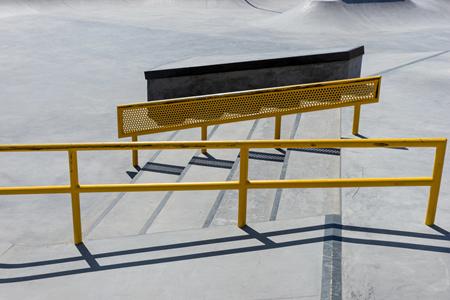
If you manage a storefront, clinic, office, or restaurant in Marietta, you need an accessible path that feels safe, looks good, and follows current standards. This quick guide explains what local owners should consider before scheduling ADA ramp installation, how Georgia’s weather and clay soils affect performance, and where a pro concrete team adds value.
Our focus is simple: clear routes from parking to your entrance, smooth transitions at doorways, and durable finishes that stand up to foot traffic, carts, and rainy-day rushes. You will see the term “ADA” throughout. It refers to national accessibility standards that set typical expectations for slope, width, landings, and handrails. Local plans and site conditions can add details, so it is smart to have an experienced contractor coordinate with the authority reviewing your project.
What Makes an ADA Ramp Compliant in Marietta, GA
Across the country, ADA standards commonly expect a gentle running slope, an adequate clear width for wheelchairs, level landings at the top and bottom, and slip-resistant surfaces. Most projects in commercial settings also consider handrails, edge protection, and transitions to curb ramps or sidewalks. In practice, these elements work as a system. When they are planned together, people can approach your door comfortably in all seasons.
Ramp Slope, Width, and Landings
Business owners often ask about the “right” slope. The short answer is that national ADA guidance favors a gradual incline people can navigate without strain. Pair that with continuous landings that are level and large enough to pause, open a door, or change direction. On tight sites in historic parts of Marietta, a compact layout may call for creative routing around planters or steps to keep the route smooth.
Handrails, Edge Protection, and Transitions
Handrails help many people, not just wheelchair users. Good designs stop hands from contacting rough wall surfaces and add confidence in wet weather. Edge protection keeps wheels from slipping off the side where grade drops away. At curbs, your ramp should align with the pedestrian path and tactile warnings where appropriate so visitors can identify changes underfoot before crossing traffic zones.
Surface Texture and Drainage
The finish should provide steady traction when it rains. A light broom texture is a common choice because it gives grip without feeling harsh. Drainage is just as important. Water should shed off the ramp and collect in a planned outlet so it does not pond at the doorway or along the landing. That is especially critical in Cobb County when fast summer storms hit.
Local Conditions That Affect ADA Ramps in Marietta
Marietta’s climate and soils set the stage for how your ramp performs. Our clay can hold water, then shrink when it dries. That movement is tough on concrete edges if drainage is poor. We also see pop-up thunderstorms from late spring through early fall, leaves in the gutters during autumn, and occasional winter cold snaps. Each of these can stress surfaces and joints in different ways.
- Clay soils expand when saturated and shrink when dry. Stable base prep and water control protect the ramp from edge movement.
- Heavy, short storms demand well-placed inlets, scuppers, or tie-ins so water leaves quickly.
- Shade from oaks and pines means some entries stay damp longer. Texture and drainage keep these areas safer.
Common Pitfalls That Trigger Callbacks or Complaints
Most ramp issues trace back to planning, not the last pass with a broom. Watch out for these red flags before you pour:
- Water trapped against a landing or threshold that leaves a puddle after every storm
- Grade changes that force a sharp lip at the curb or sidewalk tie-in
- Turns that are too tight for mobility devices to navigate comfortably
- Transitions that snag stroller wheels, dollies, or carts at doorways
- Finishes that are too smooth for rainy days or too rough for interior thresholds
Fixing problems after the pour takes longer and often means closing your entrance again. A careful plan avoids lost sales and frustrated visitors.
Site Planning Steps Your Concrete Installer Should Handle
ADA compliance is not a single dimension; it is the sum of many details. A seasoned team will survey elevations, mark the accessible route, and plan how water will move away from the slab.
Here is a simple checklist your contractor should cover:
1) Layout and approvals. Confirm the path from accessible parking to the door. Review drawings with the right contact if your project requires plan review. For retail near Marietta Square, tight frontage may call for a short retaining edge and a compact landing.
2) Base and subgrade. Remove organics, compact the base, and confirm elevations to protect edges from settlement. In our clay soils, a stable base resists seasonal movement.
3) Drainage plan. Set gentle fall away from the building, then tie surface water to an approved outlet. If your ramp connects to a sidewalk, consider adjacent sidewalk improvements that keep the whole route dry and smooth.
4) Transitions and thresholds. Align the landing with the door swing and make the threshold change predictable. Small details here affect daily deliveries and customer comfort.
Materials and Finishes That Work for Busy Entrances
For most commercial concrete installation in Marietta, GA, a standard concrete mix and a light broom finish will serve you well. In shaded entries, a slightly deeper texture can help. Joints should be planned to guide natural movement, especially where a ramp meets a slab or sidewalk. Edge protection can be formed in concrete or added with metal components where space is limited.
Handrails deserve attention too. They need to feel solid, drain well so water does not sit where hands rest, and align with the landing so people can use them right at the point of greatest need. Where pedestrians meet vehicles, curb transitions should be smooth and visible. For a deeper look at inspections around transitions, this practical explainer on what cities inspect on curbs and gutters is a helpful reference.
How Sergio Ruiz & Son, Inc Helps You Navigate “Handicap Ramp” Requirements in Georgia
Owners often search for “handicap ramp slope requirements Georgia” or “ADA compliant sidewalks Cobb County.” Those are smart starting points, but the best results come from local experience on active commercial sites. Sergio Ruiz & Son, Inc focuses on concrete contractor solutions for business accessibility across Marietta, East Cobb, Fair Oaks, and nearby corridors. Our team coordinates layout, drainage, and finishing so the full route from parking to the door feels natural and safe.
Here is how we simplify your project:
Clear communication. We review your goals, walk the site, and discuss the route. You will know how the ramp, landing, and sidewalk tie together before crews arrive.
No surprises during the pour. We stage materials, protect nearby storefronts and landscaping, and keep traffic moving so your business can operate. When storms pop up, we cover fresh work to protect the finish. Good protection saves time and avoids rework.
Attention to transitions. Ramps do not live alone. We align thresholds, plan for carts and strollers, and set tactile warnings where appropriate so visitors know what to expect underfoot. If your entry meets a curb ramp, we coordinate that detail so it feels seamless from walkway to doorway.
When to Schedule Your Ramp in Marietta’s Seasons
Spring and fall are popular because temperatures are comfortable and rain is manageable. In summer, afternoon storms can pass quickly, but they arrive fast, so timing and protection matter. Winter in Marietta is usually mild, yet a cold snap can slow curing. A good contractor watches the forecast and adjusts sequencing so each stage cures properly before it sees traffic.
For owners near schools or busy lunch spots, pour early in the morning to limit conflicts with peak foot traffic. For medical offices, align work windows with patient schedules to keep the route open when needed most.
How to Prepare Your Business for the Work
You do not need to manage construction, but a little planning keeps your customers happy:
Post simple wayfinding. If we are replacing your main route, set up a clear temporary path and signs. Mark the nearest accessible entrance and make the turn obvious from the parking lot.
Stage deliveries. Ask vendors to use off-peak windows while the landing cures. Pallet jacks and dollies are tough on fresh surfaces.
Protect thresholds. After the pour, we will guard door edges and keep water from blasting the area during pressure washing. A good cure builds long-term strength.
Choosing the Right Team for ADA Ramps in Marietta
Look for a partner that self-performs concrete, can coordinate inspections when needed, and understands how ramps connect to sidewalks, parking, and entries. You want field crews who plan the pour around weather and keep you updated. Search for proof of commercial work around town and ask how they manage drainage, joints, and finishes on accessibility projects.
If you are reviewing options, start at the source. You can learn more about our approach to ADA ramps in Marietta by browsing our site and recent articles, then compare notes with your property manager. Clear communication now leads to smoother construction later.
See Your Next Step
Ready to improve accessibility, reduce slip risk, and make a great first impression at your entrance? Explore your ADA-compliant ramp options, then call Sergio Ruiz & Son, Inc at 678-689-3146. Our local team plans the route, manages drainage, and delivers clean finishes that last through Marietta’s seasons.