How Thick Should a Concrete Driveway Be? The Right Specs for Metro Atlanta Homes
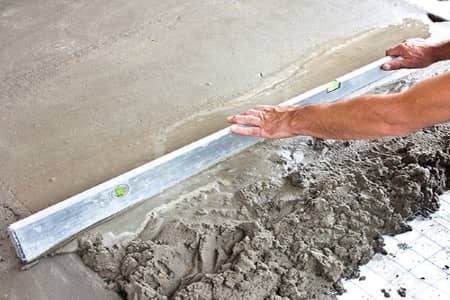
Choosing the right concrete driveway thickness in Atlanta, GA, is one of the biggest decisions that affects how long your driveway will last. If you want a driveway that stands up to daily traffic and Georgia’s red clay, start with the right plan and a pro-built concrete installation made for our local conditions.
Here is a clear, homeowner-friendly guide to thickness, base prep, reinforcement, and jointing so your driveway looks great and stays strong for years.
The Best Thickness For Atlanta Driveways
Most Metro Atlanta homes do well with a slab in the 4 to 6 inch range. The sweet spot depends on what will be parked on it, your soil and drainage, and how the driveway is laid out at the street and garage.
- About 4 inches: common for everyday cars and SUVs on a well-prepped base.
- About 5 inches: added margin for larger SUVs, work vehicles, or frequent deliveries.
- About 6 inches: consider for long driveways, tight turnarounds, or spots that see heavier loading.
Do not rely on the height of 2x4 form boards to set the thickness. Forms can sit above the subgrade or sink during compaction, so thickness should be checked to the finished grade, not the top of the lumber.
What Really Determines Thickness In Metro Atlanta
Vehicle Weight And Traffic Patterns
Daily loads matter. A compact car that parks in the same spot is different from a pickup that turns its wheels while stopped. If you expect moving vans, trailers, or work trucks a few times a year, a thicker slab and tighter joint layout help resist crack-prone stress zones like garage entries and turnouts.
Georgia Red Clay And Drainage
Our red clay can hold water. When the subgrade is soft or saturated, slabs flex more and edges crumble faster. That is why proper grading, a compacted granular base, and a positive slope away from the house are so important.
Edges, Aprons, And Transitions
Driveway edges and the apron near the street take concentrated loads when vehicles turn in or ride the edge. Many homeowners thicken edges slightly and pay special attention to the street connection so the slab is supported where it works the hardest.
Make The Thickness Work With The Right Build
Compacted Base And Subgrade
Proper base compaction is as important as the slab thickness itself. A typical residential driveway sits on 4 to 6 inches of compacted crushed stone over firm, graded soil. This base helps spread loads, reduces pumping and settlement, and improves drainage so the slab stays supported.
Reinforcement That Fits The Job
Reinforcement holds cracks tight and helps the slab act as one piece. Options include fiber reinforcement in the mix, welded wire reinforcement, or rebar on chairs. Which one is best depends on slab thickness, joint spacing, and expected loads. If you need extra durability at the garage entry or turn areas, your contractor may upgrade reinforcement in those zones.
Control Joints And Edge Support
Control joints are planned weak lines that guide shrinkage cracking so it looks neat and stays tight. Joint spacing is often tied to slab thickness and overall layout. Edges are more vulnerable, so your contractor may slightly thicken them or add extra reinforcement to resist chipping and settlement.
Want to see how quality site prep and finishing come together? Check out these pro tips for solid concrete installations for a deeper dive into the process.
Local Notes For Atlanta, GA Homes
Metro Atlanta has hot, humid summers and occasional winter cold snaps. Both affect curing and long-term performance. Pouring during cooler parts of the day and protecting fresh concrete from rapid drying helps it reach design strength. In winter, avoid exposing new concrete to deicers too soon and keep water moving away from the slab so freeze-thaw cycles do not stress the surface.
A simple local safeguard: avoid deicing salts on a brand-new driveway during the first winter. Use sand for traction and rinse off any fertilizer or chemicals that can attack the surface. These small habits help your slab reach full strength and protect the finish.
Good Specs To Discuss With Your Contractor
- Thickness matched to use: about 4 inches for typical cars, consider 5 to 6 inches for heavier vehicles or long driveways.
- Compacted base: 4 to 6 inches of well-graded stone over firm, graded soil with proper slope away from the house.
- Reinforcement plan: fiber, welded wire, or rebar sized to thickness and joint layout.
- Jointing strategy: sawed or tooled control joints laid out to fit your driveway shape, plus isolation at the garage and sidewalks.
- Edge and apron details: added support where vehicles turn in, and solid support at transitions.
Common Signs A Driveway May Be Underbuilt
If you are noticing these issues, thickness, base, or jointing could be contributing factors:
- Repeated hairline cracks that mirror parking spots or turn areas
- Chipping or raveling along slab edges and at the street apron
- Settlement dips that collect water after normal rain
- Tire rut impressions near the garage or tight turnouts
These symptoms do not always mean replacement is required, but a site visit from a pro helps you decide the right next step for your home.
How We Right-Size Driveways For Metro Atlanta Homes
Every driveway we build starts with questions about your vehicles, parking patterns, and terrain. We assess the subgrade, plan drainage, and design the slab thickness and reinforcement to match how you actually use the space. Materials and methods are chosen for Atlanta’s climate so your driveway cures well and performs through summer heat and winter temperature swings.
It also helps to think about the future. If you might add a work truck, a small boat, or a trailer later, choosing a slightly thicker slab and a tighter joint layout now is often the smarter long-term move.
Putting It All Together For Your Atlanta, GA Driveway
Here is a simple way to think about it. The slab is the roof of a structure you never see. The base is the framing that holds it up. Good drainage is the foundation that keeps it all dry. When those three elements are sized for your home and traffic, your driveway will feel solid underfoot and look clean year after year.
If you are planning a new driveway this season, talk with our team about the mix design, joint plan, and base prep that pair with your chosen thickness. You will get a clear scope before work starts and a finish that fits your architecture, whether you prefer a classic broom finish or a decorative texture.
Next Steps With A Local Pro You Can Trust
Working with experienced Atlanta concrete contractors gives you the right specs the first time, which reduces callbacks and stress later. When you are ready to move from ideas to a crisp, long-lasting result, our specialists can walk your site, confirm thickness, and plan a build that matches your traffic and soil.
For a driveway designed for your home, your vehicles, and Metro Atlanta weather, schedule your on-site assessment today with Sergio Ruiz & Son, Inc. Our experts will confirm thickness, base, reinforcement, and joints so your driveway is strong from day one.
Ready to build a driveway that lasts in Atlanta, GA? Book your on-site assessment with Sergio Ruiz & Son, Inc and get a custom plan for thickness, base, and reinforcement. Call us at 678-689-3146 or start your project with our concrete installation team today.