How Proper Drainage Prevents Puddles, Heaving, and Cracks in Patios and Driveways
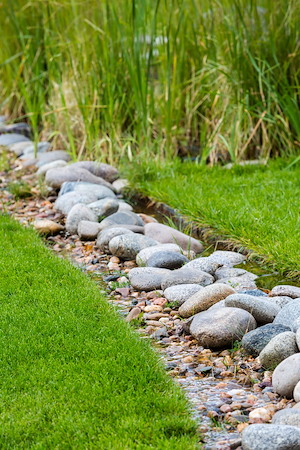
Rain hits hard in Cobb County, and Marietta’s clay-rich soil holds water like a sponge. If your patio or driveway doesn’t move water away fast enough, moisture lingers under the slab, and problems start showing up on the surface. That’s why working with concrete contractors in Marietta who plan drainage first makes all the difference.
At Sergio Ruiz & Son, Inc, we pair slab design with smart pipe work for drainage so water has a clear path to exit your property. Below, you’ll see how the right slope, French drain tie-ins, and well-placed control joints work together to stop the three biggest issues homeowners notice: puddles, heaving, and cracks.
Why Concrete Contractors Focus on Drainage
Metro Atlanta gets quick-moving thunderstorms in spring and summer, then leaf-clogged gutters and downspouts in fall. Add in our red clay and the occasional winter cold snap, and you have soil that expands when wet and tightens when it dries. Without a clear drainage plan, that movement telegraphs through the slab.
Good drainage isn’t just a grate or a pipe. It’s a system. We look at roof runoff, driveway pitch, yard elevations, and where water can safely discharge. In neighborhoods from East Cobb to Whitlock Heights and near the Marietta Square, every lot is a bit different, so the drainage solution should be, too.
Stop Persistent Puddles With Correct Slope and Outlets
Puddles form when the surface is too flat, pitched the wrong way, or when water has no outlet. A patio or driveway needs a gentle, consistent pitch so gravity does the work. Where surface runoff alone isn’t enough, we collect water with a low-profile channel drain at the garage or a catch basin in a patio corner, then route it to a solid discharge line.
That discharge line is part of the underground system that moves water to a safe location, often a downhill daylight point away from the slab, or to a dry well or approved drain outlet where allowed. The path should be continuous, smooth, and sized for storm bursts common in Marietta. When it’s done right, water leaves fast and doesn’t sit under your concrete.
- Do you see puddles that linger a day after rain?
- Does water sheet toward your garage or back door instead of away?
- Are mulch beds washing onto the slab after summer storms?
Standing water at the base of a slab can undermine the subgrade and lead to early surface wear and staining. By setting the correct drainage slope on day one and giving water a pipe to follow, you protect the finish you paid for and keep entry points drier and safer.
Reduce Heaving By Managing Water in Georgia Clay
Heaving is when sections of a slab lift and drop over time. In our area, the main driver is moisture swings in clay, not deep freeze. When the soil under your patio or driveway gets saturated, it swells. When it dries, it shrinks. That push-pull can nudge concrete up and down, especially along edges that trap water.
The fix starts with keeping water out of the subgrade. We divert roof drains away from the slab edge, collect surface water before it crosses the concrete, and move it out through a dedicated line. French drain tie-ins help here: a perforated drain in gravel collects groundwater along the high side of a patio or driveway, then connects to a solid pipe so the water exits instead of soaking below the slab.
Edge support matters, too. Clean, compacted base material sheds water better than loose soil that turns to mud. When the edges stay drier, the slab is less likely to lift or settle unevenly along garden borders and walkways.
Limit Cracks With Control Joints and Dry Edges
All concrete wants to crack. The goal is to guide it. Control joints tell the slab where to release stress, and they work best when the slab stays drier and the subgrade stays firm. If one corner stays soaked because of poor drainage, random cracks are more likely to start there.
We place joints in a pattern that fits the slab size and shape, align them with elevation changes, and keep edges from trapping water. On driveways, a narrow channel drain at the garage or a catch basin at a low spot helps move runoff to underground pipe work before it can soak into the base. On patios, a gentle fall away from the house helps, with French drain tie-ins along retaining walls or planters when needed.
- Joints should be straight, clean, and deep enough to do their job.
- Joints and edges work better when water leaves the surface quickly.
- Good joint planning pairs with the right slope to steer cracks where they belong.
When control joints, slope, and drainage all coordinate, the slab looks better longer. You’ll see fewer random hairlines, tighter edges, and less raveling at the surface. That’s the difference between concrete that struggles through every storm and concrete that stays calm through the seasons.
How Sergio Ruiz & Son, Inc Designs Drainage for Marietta Patios and Driveways
Every project starts with a site walk. We check elevations with a level, look at downspout locations, and trace how water currently moves during a storm. We also note trees, roots, and tight side yards common in older parts of town near the Square and in long driveways in West Cobb.
What We Plan Before We Pour
Design comes first. We map the surface slope so water sheds in a predictable direction, then size and position drains only where they’re needed. We tie surface drains to solid lines with smooth fittings that won’t clog easily, and we pick discharge points that won’t backflow toward the slab during heavy bursts.
For patios bordered by turf or mulch, we keep the ground next to the edge slightly lower so water doesn’t sit against the slab. Where groundwater collects on the high side of a yard, a French drain tie-in keeps the base from soaking. Control joints are laid out to match the geometry and direct natural shrinkage to clean lines.
Materials and Details That Help
Good drainage relies on more than a single grate. Quality matters all the way through: sturdy channel drains that won’t deform, catch basins with baskets you can clean, and solid pipe runs with enough fall to keep water moving. We also think about maintenance so you can keep things working with simple seasonal checks rather than major repairs.
You can explore more planning ideas and see how drainage connects to surface performance by browsing our concrete tips archive. It’s a great way to see how small design choices lead to big gains in durability and curb appeal.
Real-World Examples Around Town
Driveways that slope toward the garage in Indian Hills often benefit from a discreet channel drain in front of the door, tied into a solid line that discharges downslope. Shaded patios off Pine Mountain Road can stay damp for days without a catch basin at the low corner. In both cases, once water had a controlled route out, the concrete dried faster, stains faded, and seasonal movement eased.
We see similar wins near schools and parks where tree roots compete for space. By keeping water away from the slab edge and giving it a pipe to follow, roots are less tempted to chase moisture under the concrete. The result is a surface that stays flatter, safer, and better looking.
Maintenance That Protects Your Investment
Drainage systems are simple to keep up when they’re designed for access. Pop-out baskets make it easy to remove leaves after fall storms. Smooth pipe runs help debris flush out during heavy rain. Keep an eye on downspouts so they don’t dump right at the slab edge, and check that discharge points haven’t been buried by landscaping changes. Never cap or block a drain pipe because it looks neater. A blocked outlet forces water to find another path, which is usually under your slab. A few minutes of seasonal cleanup keeps everything moving and your concrete happier through Marietta’s wet months.
Your Next Step to Drier, Stronger Concrete
If you’re seeing puddles, wavy edges, or new hairline cracks, it’s time for a drainage check. A short visit is usually enough to spot the cause and map a fix that suits your lot, your landscaping, and the look you want. Let Sergio Ruiz & Son, Inc plan the drainage that protects your patio or driveway for the long haul. Call us at 678-689-3146 and schedule a site visit today.